Stainless steel items to enquire about
- Sinks, counters and commercial kitchen equipment.
- Tanks, vessels and pipework (once confirmed empty and safe).
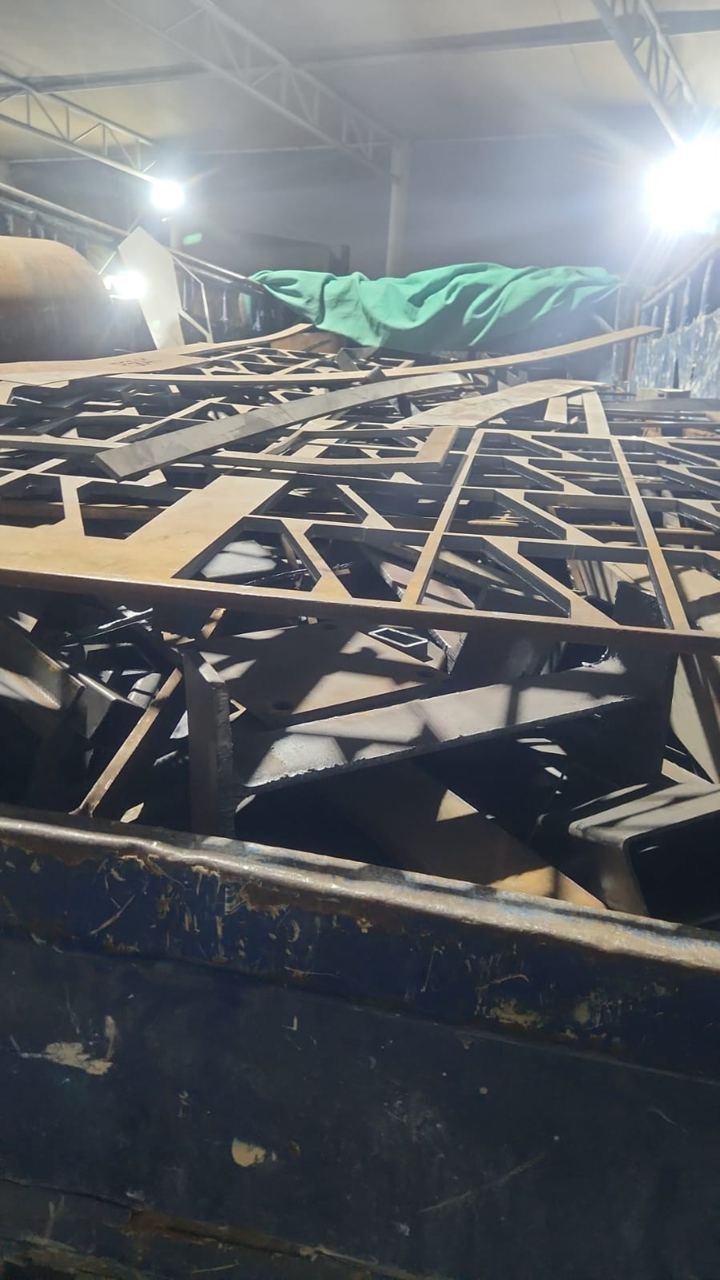
- Sheet, plate and fabrication offcuts.
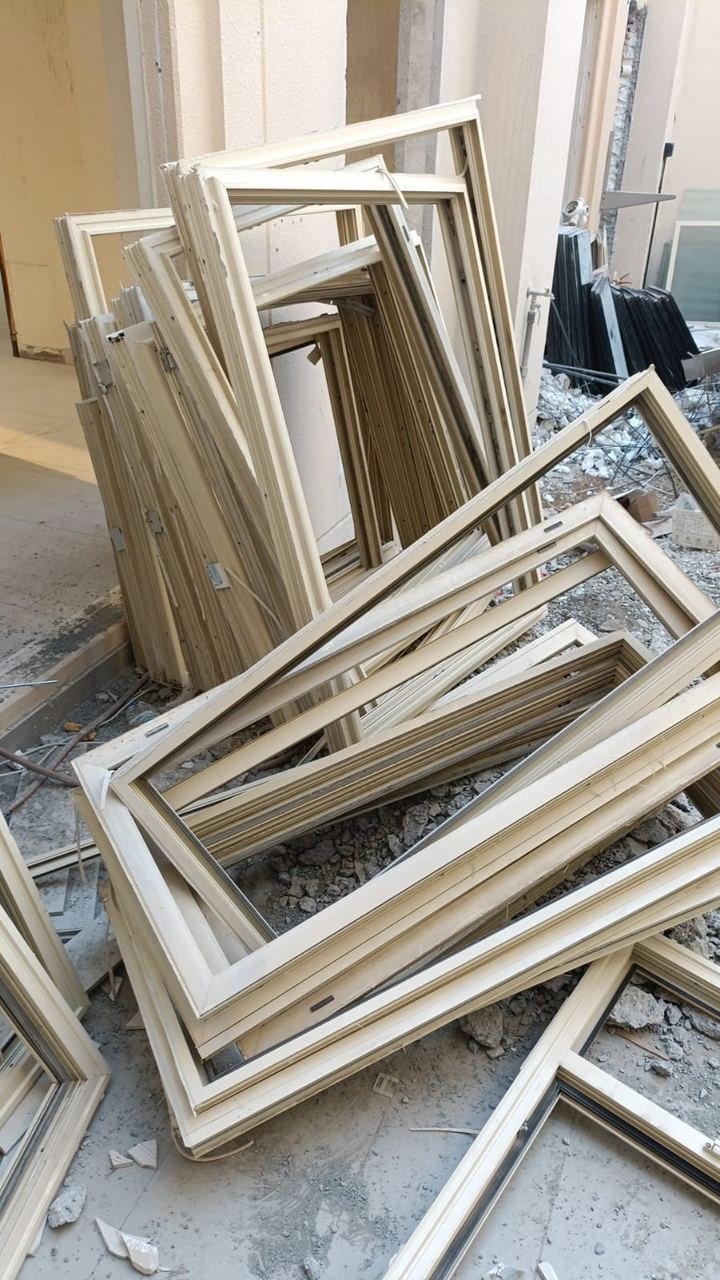
- Handrails, fixtures and architectural trim.
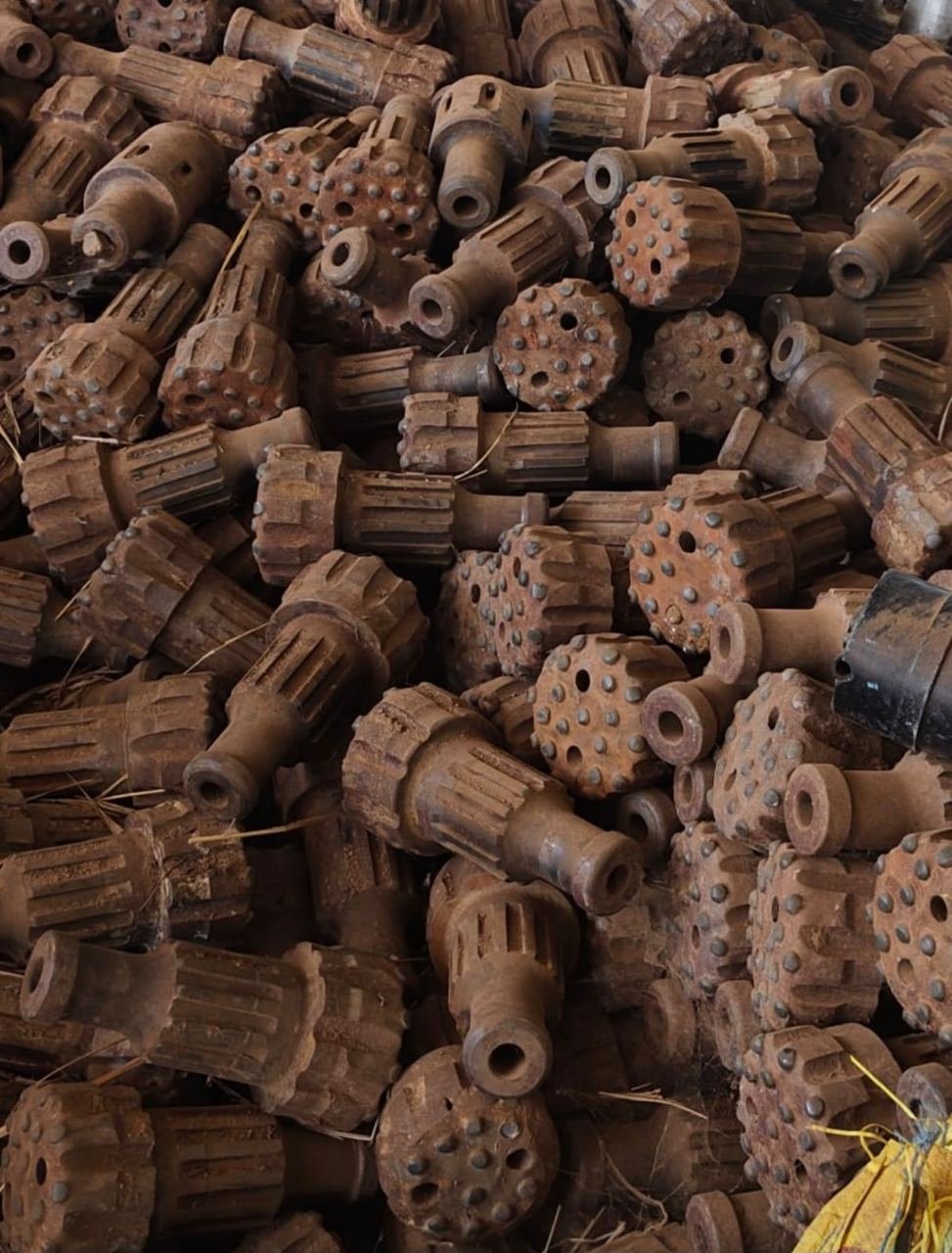
- Industrial components made from stainless alloys.
Why grade and condition matter
Stainless steel comes in several alloy families. Their composition affects value, which is why the grade is a key point in any assessment. Contamination, such as welded carbon steel, insulation, plastic or leftover food and chemical residues, also changes how a load is treated.
A practical guide to sorting and describing stainless
- Separate stainless from ordinary steel using a magnet as a first check, remembering it is not conclusive.
- Remove non-metal parts such as glass, plastic and rubber where it is safe to do so.
- Keep thin sheet apart from thick plate and heavy items.
- Photograph any stamped grade marks or labels.
- Note the total weight or number of items.
Safety and preparation
Empty and clean tanks and kitchen equipment before they are moved, and tell us what they previously contained. Never cut or weld a container that held fuel or chemicals. Stainless edges can be razor sharp, so wear cut-resistant gloves.
Frequently Asked Questions
Is stainless steel magnetic?
Some grades are not magnetic and some are weakly magnetic, so a magnet is only a first clue.
Can I sell stainless kitchen equipment?
Yes, you can enquire. Send photographs and tell us what is attached.
Do you need the grade?
It helps. If you do not know it, photographs and any markings are a good start.
Do tanks have to be empty?
Yes. Contents and residues must be disclosed and dealt with safely.
Can I mix stainless with other metals?
You can, but it is better to keep it separate.
Contact Zahid Scrap Buyer
Ready to discuss your stainless steel scrap buying enquiry? Call +971 54 428 8350 or send photographs and details on WhatsApp.